




How to Get Rid of Gophers
If you have an active Gopher infestation, learn about gopher control and how to get rid of gophers.
December 16th, 2023
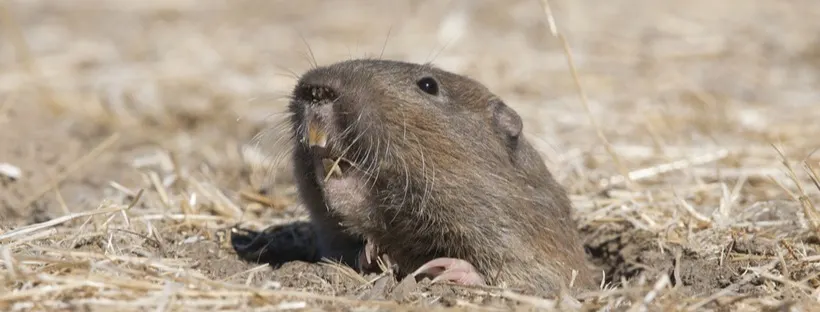
Controlling a Gopher Problem
Your outside space should be a haven, whether you're grilling meals, entertaining guests, or simply unwinding after a long day.
Unfortunately, even a few gophers may turn a serene environment into a nightmare. These burrowing pests can quickly wreak havoc on landscapes with their unsightly gopher holes and considerable damage to plants.
Gophers create a more serious problem than Moles, including the destruction of underground utility cables, water lines, sprinkler systems, and irrigation pipes.
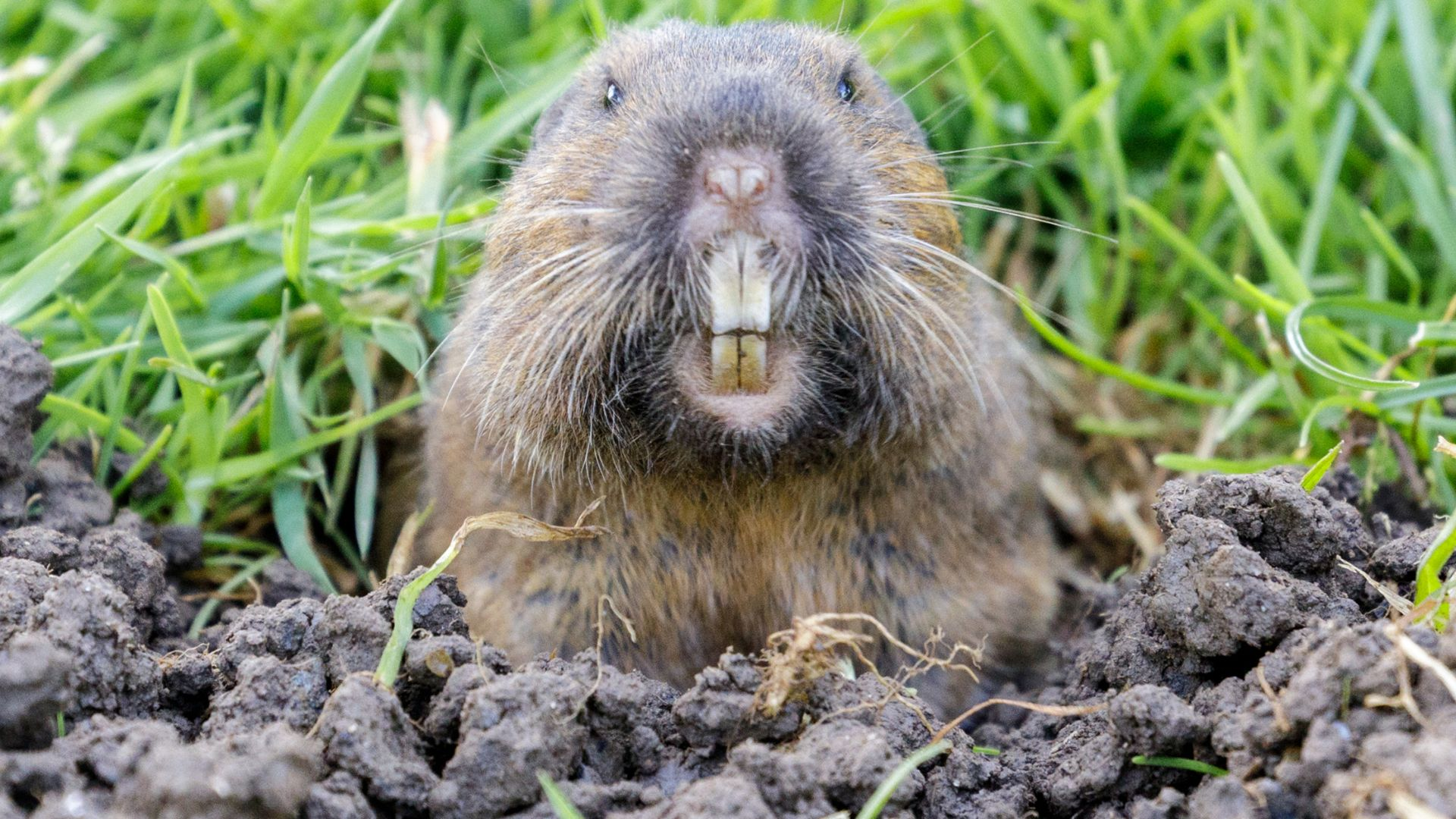
Damage is most severe in the spring and fall when gophers are active near the soil's surface.
This article will teach you the best ways to get rid of gophers in your yard and prevent a gopher problem from returning.
Gopher Identification & Description
Gophers are voracious herbivores that will eat any plant, beginning with the roots and then ingesting the top part of the plant if possible. Unlike gophers, moles and voles only focus on the plant roots. Gophers cause both plant damage and elimination.
Gopher Food Sources
Gophers eat all types of plants, including grasses, shrubs, seedlings, crops, garden vegetables, ornamentals, vines, and even trees.
Not only do gophers ruin plants, but they also chew through irrigation, sprinkler systems, and utility cables.
The Pocket Gopher is active throughout the year but is most active in the spring and fall months when the soil is the perfect moisture for burrowing.
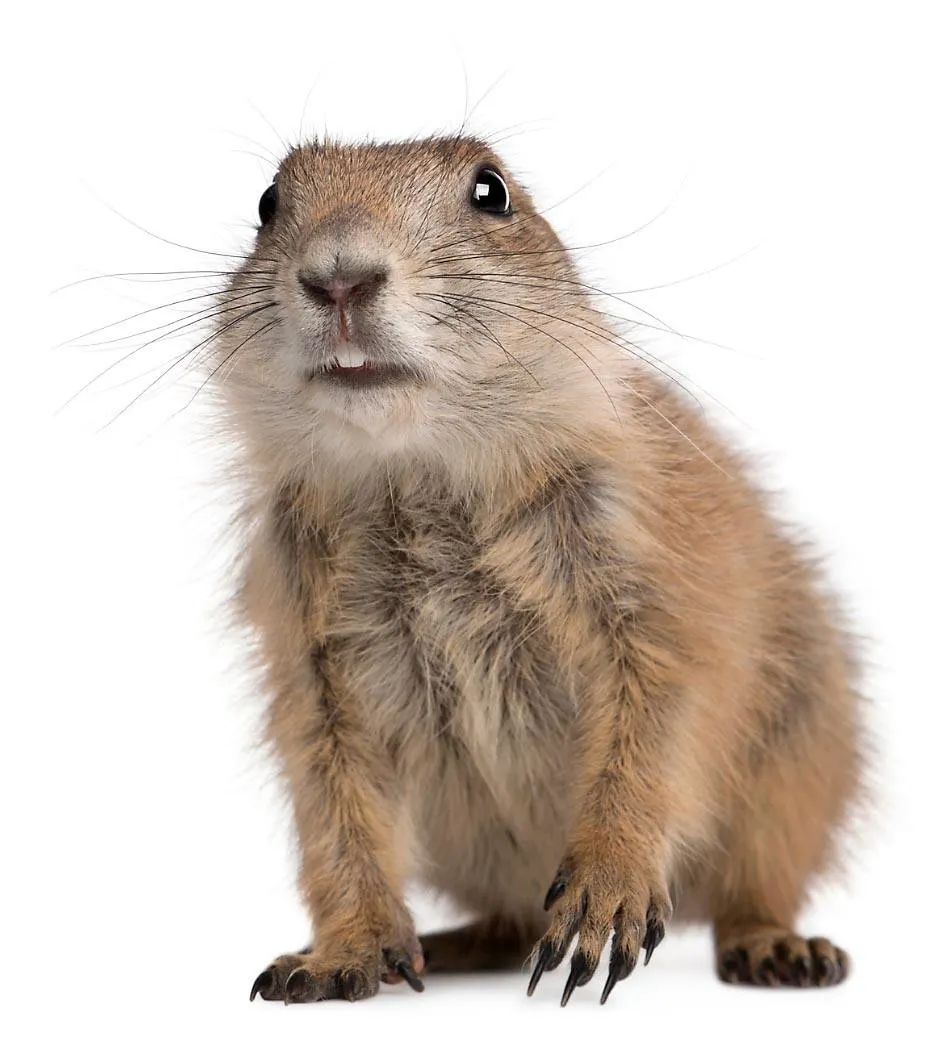
Gopher Habits
Gophers tend to live alone; however, up to 60 of them can occupy an acre of land. They live up to 3 years and produce 1 to 3 litters per year, with 5 to 6 young per litter. Gopher populations are known to explode every 3 to 5 years.
There are 34 species of gopher, with 13 living in the United States. They live from sea level to 12,000 feet in a variety of soil conditions but will avoid wet, saturated soil and heavy clay.
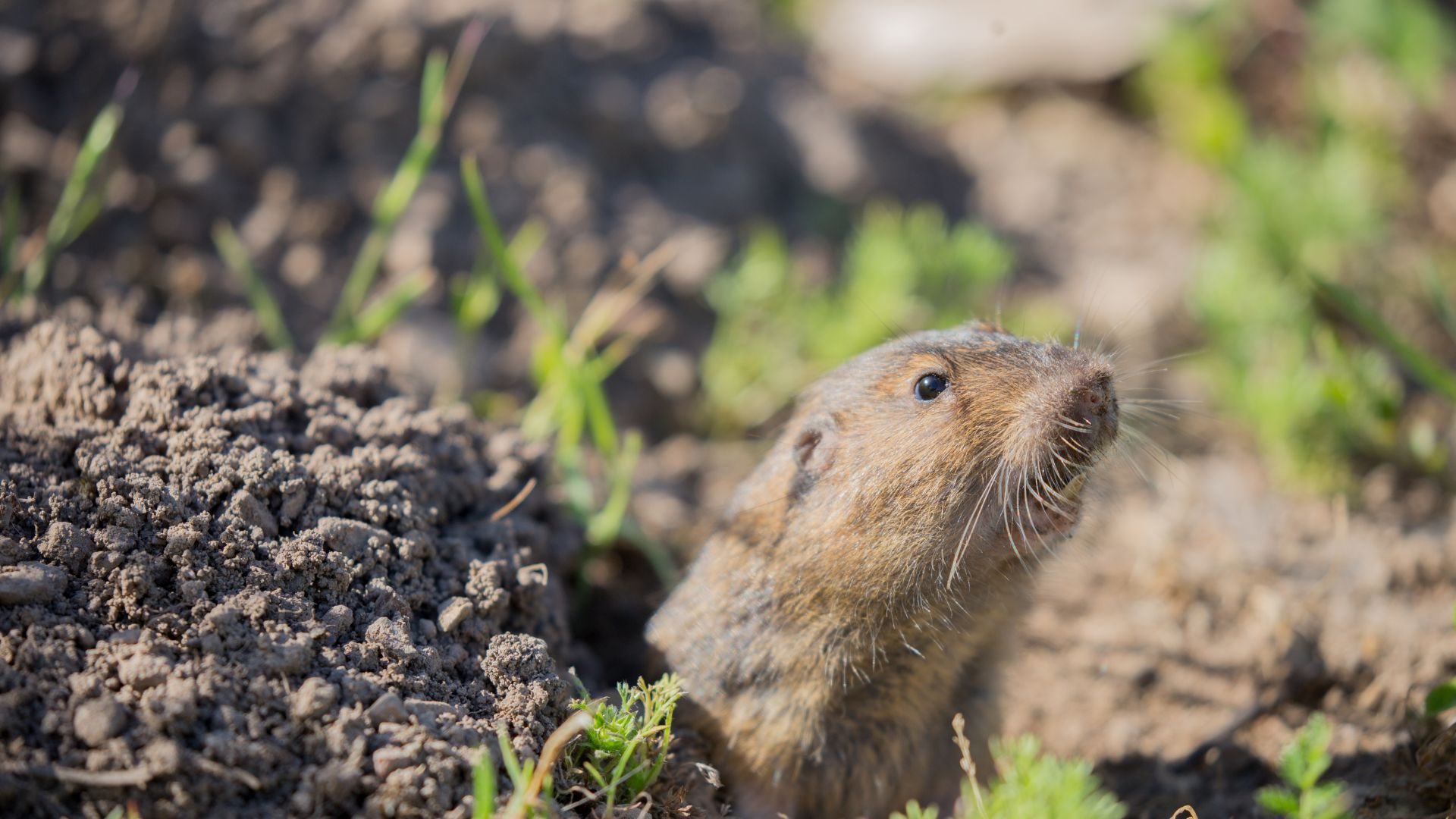
Gophers are medium-sized rodents, 5 to 17 inches in length, with soft fur that ranges from black to brown to off-white. They have large front incisors and long front claws for digging.
Gophers rely on their sense of touch as they have small eyes and ears. They have very sensitive whiskers, paws, and tails. Gophers do not hibernate and are active during the day.
-
Color: Black to pale brown
-
Weight: 6-14 oz
-
Length: 5-14 inches
-
Tail Length: 4 inches
-
Body: Powerfully built in the forequarters; fine, soft furl; short neck; small, flattened head; front feet with long, sharp claws
-
Ears: Small
-
Eyes: Small external
-
Lifespan: 1-3 years on average
Pocket Gophers
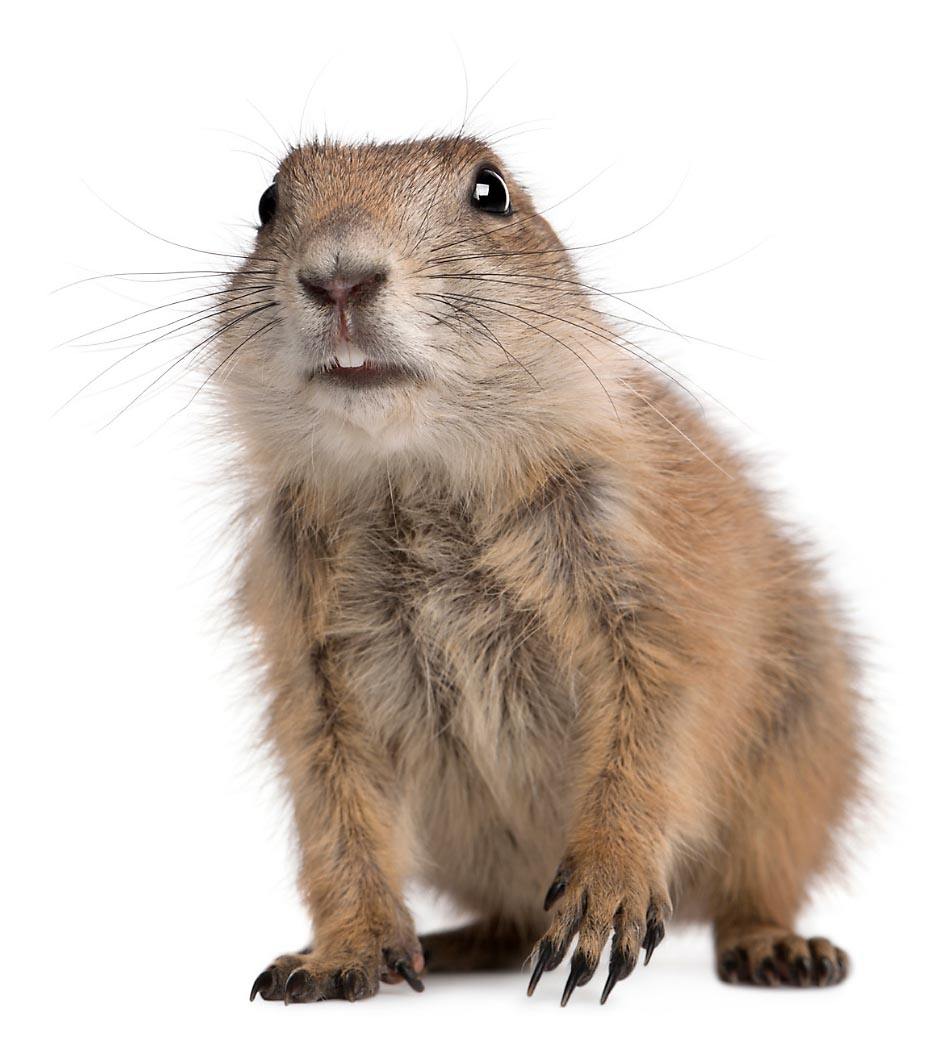
Pocket gophers are rodents from 5 to 14 inches long. Pocket gophers have fur-lined pouches outside of the mouth, one on each side of the face.
These pockets, which are capable of being turned inside out, are used for carrying food.
A substantial amount of vegetables and other plants can fit into the fur-lined cheek pouches of the pocket gopher.
Their fur ranges from black to light brown and white. The head of a Pocket gopher is small and flattened, with small ears and eyes.
Gophers have four large incisor teeth to easily bite through and consume almost any vegetable root or leaves.
Inspect Gopher Mound and Runways
Inspection is an essential first step in getting rid of Gophers. Once you know the location of gopher burrows, gopher tunnels, and where they are living, then you can proceed to eradicate them.
Gophers are extremely well adapted and built for an underground existence. The gopher lives most of its life beneath the surface, where it digs a burrow system.
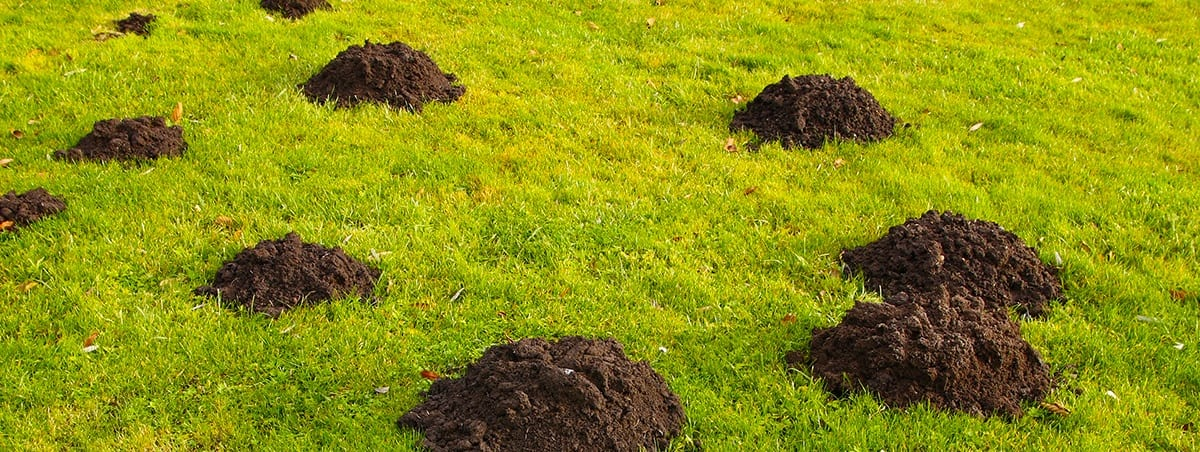
Additionally, gophers create tunnels that interfere with irrigation systems, dams, fields, and homeowners' gardens.
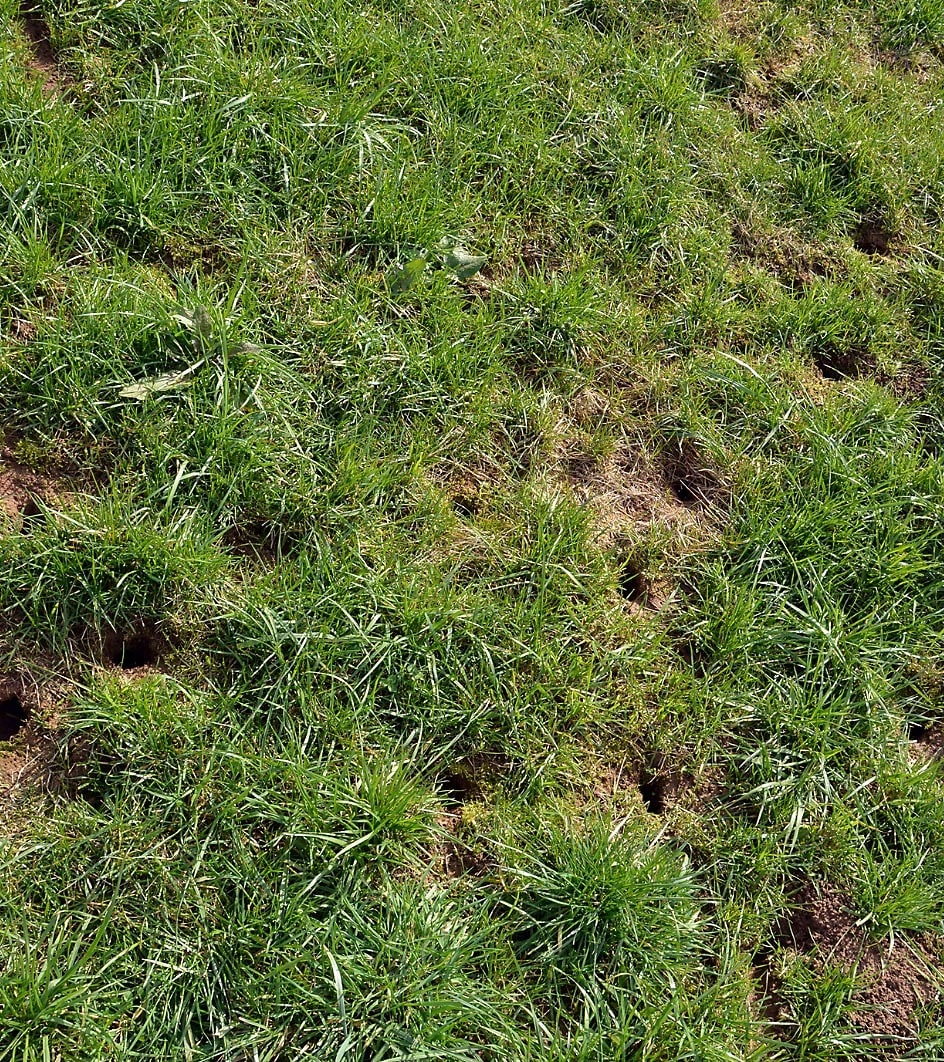
In perfect soil, a single gopher can make numerous mounds in a single day and up to 70 mounds per month.
Gopher Tunnels
Gopher tunnels are greater in width and depth than mole tunnels, although they are significantly smaller.
Due to their deeper location, Gopher tunnels are usually not visible on the ground surface, unlike mole tunnels or mole mounds.
Damage to tree bark, roots, bulbs, seeds, and other plant parts in lawns or farms are further signs of a Gopher infestation.
Gophers may dig a 200-yard tunnel system per year, covering an area of 200 to 2,000 square feet. Their nesting tunnels are usually 6 to 12 inches below the surface, although they can stretch as deep as 6 feet.
Gopher Burrow Systems
The foundations of homes and structures can be weakened by these burrow systems. Gophers occupying regions in canals and ditches can damage the banks, causing the retention system to fail and resulting in disaster.
As gophers dig burrows, pushing the soil to the surface, they leave a mound of dirt, which usually forms a semicircle around the tunnel opening. The semicircle shape of a gopher's burrow is a key sign that you are dealing with these pests. Gopher holes are more subtle than mole mounds.
Moles usually leave a cone-shaped mound that is circular at the base with no apparent hole or opening. These mounds can damage mowing equipment and the aesthetic appearance of lawns and golf courses.
The openings to gopher tunnels are dangerous for livestock and other animals since they can easily step in one and injure their leg.
Gopher holes may be less obvious than mole tunnel systems, but these pests can cause significant damage to your garden and ornamental plants.
How to Get Rid Of Gophers
1. Gopher Traps
Gopher traps are a good way to get rid of gophers, especially in the fall and spring when they're busy making mounds. Trap traps should be positioned in two directions in the main tunnel or near the freshest gopher mounds.
The traps are effective with or without food and can be baited with lettuce, carrots, apples, alfalfa, or peanut butter. To make the traps easier to identify and remove, tie them to stakes above ground.
Move a trap to a new spot within the burrow if it hasn't been visited by a gopher in 48 hours.
For small numbers of gophers, control can be accomplished with the use of traps such as the Easy Set Gopher Trap.
It seems as though the best plan of action for most homeowners is to take quick action to use gopher traps and gopher baits at the first sign of gophers.
2. Smoke Bombs
Recommended products would be Giant Destroyer Smoke Bombs or Revenge Smoke Bombs. They are gaseous products that are lit and put in the main burrows.
3. Use Repellents to Get Rid of Gophers
Repellents make a particular location undesirable to gophers, forcing them to relocate. Many are organic, while others are mechanical, electrical, or chemical in nature.
Humane And Natural Gopher Control
There are several humane and natural ways to keep gophers out of your yard, and many of them use substances you probably already have on hand.
Natural Gopher Repellents
Gophers dislike strong smells, and you may be successful with your gopher control program by using these scents (particularly if you only have one gopher). Peppermint oil, coffee grounds, fabric softener sheets, and even Tabasco sauce all contain scents that gophers dislike.
Placing these scents near their tunnel entrances may discourage them from staying in the area around your home.
Castor Oil Repellent
Gopher Scram Repellent is a natural granular product that covers up to 13, 750 sq ft. This natural product contains castor oil and other oils to deter pocket gophers. After placing castor oil pellets around your property, it works by affecting the gopher's sense of smell and taste.
Preventing gophers is difficult and often impractical. There are repellents on the market in the form of liquid sprays and granules.
4. Poisonous Gopher Bait
Gopher bait looks and smells like a delectable treat to these pests. When they swallow the poison bait chemical, however, it soon kills them. While baits are useful, they must be used with caution.
These baits can be dangerous to dogs and children, and they're even illegal in some regions. Strychnine, for example, is authorized in California but must be applied underground, never at lawn level.
Martin's Gopher Bait 50 is a strychnine-treated grain that is only labeled for subsoil applications. It has a highly restrictive label.
5. Use Fumigants To Kill Gophers
Although fumigants can be used to control gophers, they have proven to be less efficient than traps. Fumigants eliminate gophers by filling their burrows with smoke.
To begin, block all burrow exits with earth or sod clumps, then light the smoke bomb and drop it into the main tunnel.
After using any technique of control, make careful to examine the burrows for re-infestation on a regular basis.
Key Takeaway
While more labor-intensive, a gopher trap is an effective and non-toxic way to get rid of gophers.
How to Prevent Gophers
Humans aren’t the only ones who love a beautiful yard! Here are a few things that may be drawing gophers to your property:
-
Shelter: Gophers are prey for a variety of animals, therefore, they require a great deal of protection to keep safe. They may construct tunnels behind plants, along fence lines, or beneath trees.
-
Soil Type: Gophers prefer to reside in regions with loose, sandy soil that is easy to move because they enjoy excavating.
-
Sources of food: Gophers will set up shop wherever they can find food. Gophers are herbivores, which means they exclusively consume plants. They like plant roots and tubers, as well as acorns, and will occasionally graze the lawn for grass, clover, and other treats.
Deter Gophers with the Fencing Method
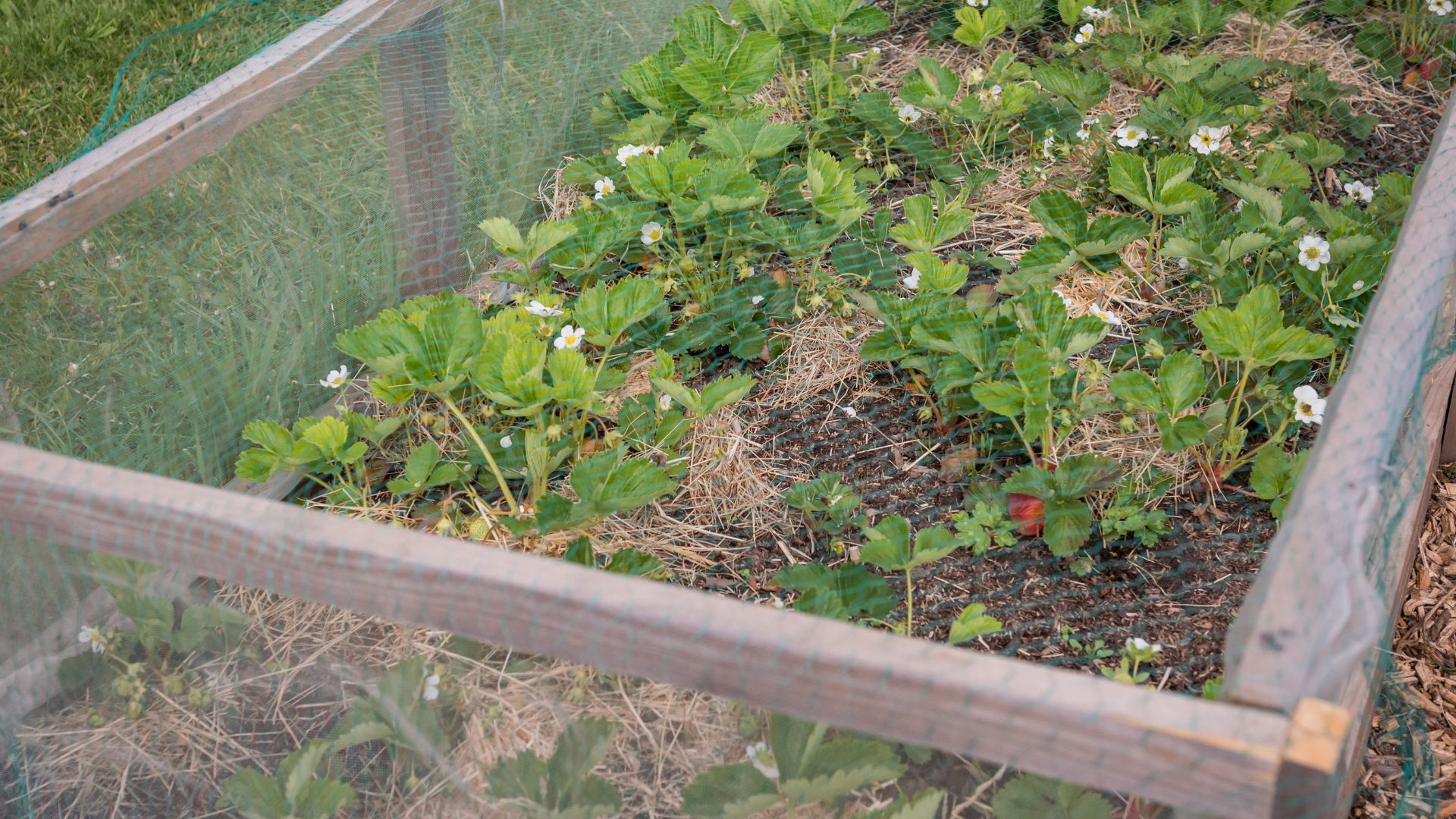
Many people have successfully used exclusion fencing buried in the ground to keep gophers out of a given area.
This fencing method is most helpful around small yards or gardens. Start by digging a small trench around the site to be protected. Insert fencing made with 1/2 inch mesh hardware cloth.
The mesh should extend 1 to 2 feet deep and at least a foot above the ground. As you can see, it is a lot of work, but it may be worth it, depending on how much you value your garden.
Gopher Baskets
It may be worth investing in gopher baskets when you want to protect vegetables and fruits in your garden. They surround a planted vegetable completely and are usually made of a copper or stainless steel wire mesh screen, so the gopher cannot eat the roots.
A gopher's burrow is deep, so this mesh is a virtually foolproof method of protecting your plant, as it encapsulates the entire vegetable's root system like a basket.
How To Get Rid Of Gophers
If you have an active Gopher infestation, learn about gopher control and how to remove gophers.

Gophers present a more serious problem than Moles , including the destruction of underground utility cables, water lines, sprinkler systems, and irrigation pipes. Damage is most severe in the spring and fall when gophers are active near the soil's surface. Pocket gophers are rodents from 5 to 14 inches long.Pocket gophers have fur-lined pouches outside of the mouth, one on each side of the face. These pockets, which are capable of being turned inside out, are used for carrying food. Their fur ranges from black to light brown and white. Pocket gophers heads are small and flattened, with small ears and eyes. Gophers are solitary animals except when breeding or rearing young. Gophers are active year-round but are the most visibly active in the spring and fall when the soil is of the ideal moisture content for digging.
Get Rid Of Gophers
Gopher Traps
For small numbers of gophers, control can be accomplished with the use of gopher traps such as Easy Set Gopher Trap.
Smoke Bombs
Recommended product would be Giant Destroyer Smoke Bombs or Revenge Smoke Bombs. They are gaseous products that are lighted and put in the main burrows.
Gopher Repellents
Gopher Scram Repellent is a natural granular product that covers up to 13, 750 sq ft. This natural product contains castor oil and other oils to deter pocket gophers. It works by affecting the gopher's sense of smell and taste.
Gopher Bait
Martin's Gopher Bait 50 is a strychnine treated grain that is only labeled for subsoil applications. It has a highly restrictive label.
Gopher Identification & Description
- Color: Black to pale brown
- Weight: 6-14 oz
- Length: 5-14 inches
- Tail Length: 4 inches
- Body: Powerfully built in the forequarters; fine, soft furl; short neck; small, flattened head; front feet with long, sharp claws
- Ears: Small
- Eyes: Small external
- Lifespan: 1-3 years on average
Key Takeaway
While more labor intensive, gopher traps are effective an non-toxic.

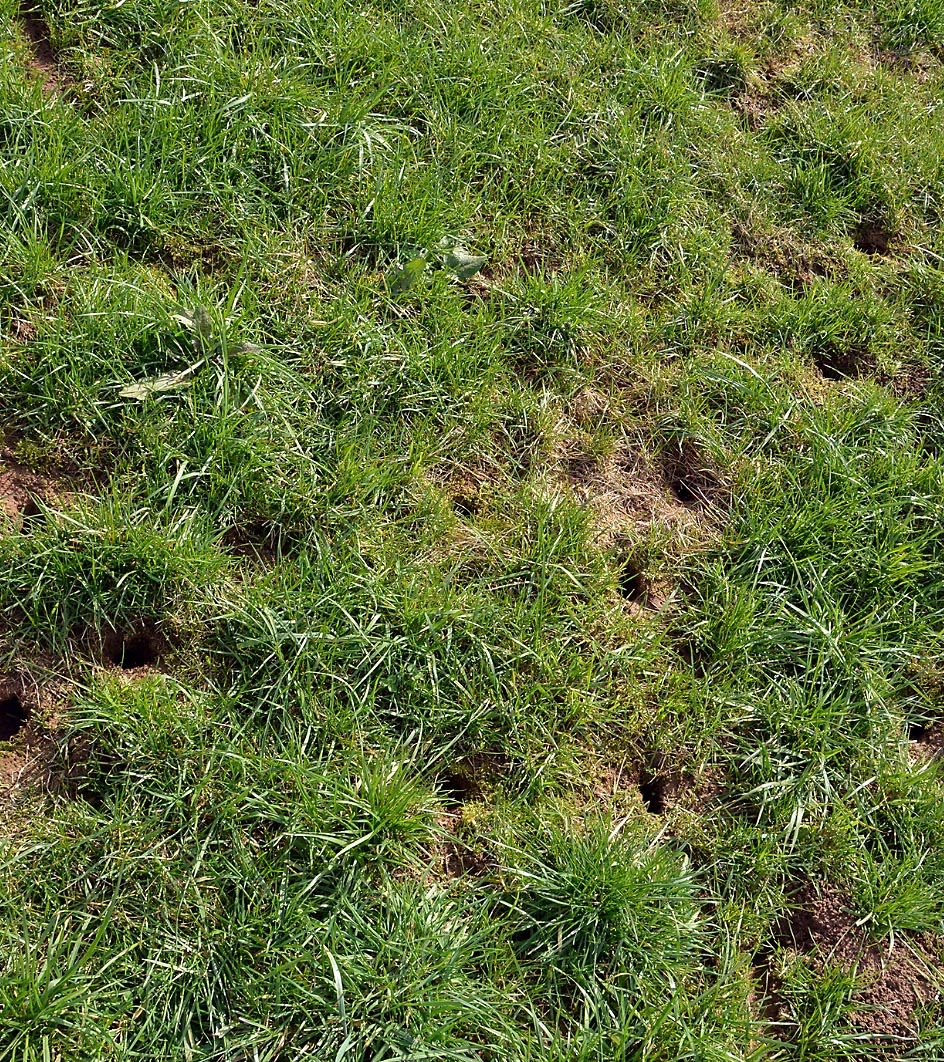
Gopher Mound and Runways
Gophers are extremely well adapted and built for an underground existence. The gopher lives most of its life beneath the surface, where it digs a burrow system. A gopher can create large, horseshoe-shaped mounds that may cause damage to lawn mowers and farm equipment. Additionally, its tunnels often interfere with irrigation systems, dams, fields, and homeowners' gardens.
Gopher burrows can be very deep, up to several feet, and several hundred feet in length. As gophers dig burrows, pushing the soil to the surface, they leave a mound of dirt which usually forms a semicircle around the tunnel opening. Moles usually leave a cone-shaped mound which is circular at the base with no apparent hole or opening.
Gophers can create up to 70 mounds per month in ideal soil. Gopher tunnels are larger in diameter and deeper than those of moles but are much less extensive. Unlike Mole tunnels, Gopher tunnels are usually not visible on the ground surface due to their deeper location. Other signs of a Gopher infestation are damage to roots, tree bark, seeds, bulbs, and other plant parts in yards or farms.
Prevent Gophers
Preventing gophers is difficult and often impractical. There are repellents on the market in the form of liquid sprays and granules.
Fencing Method
Many people have successfully used exclusion fencing buried in the ground to keep them out of a given area. This fencing method is most helpful around small yards or gardens. Start by digging a small trench around the site to be protected. Insert fencing made with 1/2 inch mesh hardware cloth. The mesh should extend 1 to 2 feet deep and at least a foot above the ground. As you can see, it is a lot of work, but it may be worth it, depending on how much you value your garden.
Use Traps and Gopher Baits
It seems as though the best plan of action for most homeowners is to take quick action to quickly use gopher traps and gopher baits at the first sign of gophers.




Written by our resident pest control expert Ken Martin.