




How to Get Rid of Termites
March 4, 2024

Termite Infestations
Termites cause roughly $30 billion in damage in the United States each year. Termite infestations require homeowners to repair damaged wood in their homes, and these termite treatment costs quickly add up. Fortunately, there are DIY methods for not just treating but also preventing termite infestations.
The two most common types of termites are drywood and subterranean termites. Both types are destructive to your home and are found in different areas of your property. It is important to identify which type of termite you have before you start your termite treatment.
How to Get Rid of Subterranean Termites
While some termite treatment and removal should often be left to the specialists, understanding the methods they use will help you understand how to kill termites, the best ways to address the problem, and how to prevent it from repeating. Subterranean termites nest underground, so it's best to try and create a barrier under the surface to prevent them from getting to your structure. Here are a few DIY methods that help create that barrier and get rid of termites.
1. Use Liquid Termiticides to Kill Termites
Liquid termiticides that contain active ingredients like Fipronil and Imidicloprid are the best termite killers for creating an invisible barrier around your home and ridding your space of termites. Both of the active ingredients are non-repellent, and termites cannot detect them, which means they will unknowingly ingest them and spread them amongst the termite colony. These treatment methods will give you the generic versions of Termidor SC and are more economical.
The currently available chemical barrier pesticides are designed to last no more than 5-10 years. Termite Monitors and Baits can be used as a companion for controlling subterranean termites or stand-alone treatment methods.
Applying Liquid Termiticides
If you have an active termite infestation and want the fastest and most effective results, we recommend using a liquid termiticide treatment.
Products that have these active ingredients include Taurus SC, Navigator SC, and Dominion 2L. The termites can't see, smell, taste, or avoid these products. Navigator SC and Taurus SC aretwo of the best and most well-known liquid termiticides.
To apply a liquid termiticide it will require digging a trench about 6 inches deep and 6 inches wide around the structure and may also require drilling through concrete areas such as the driveway. Drilling through concrete or a stone slab and pumping the finished solution volume required to set up a termite barrier may be too difficult for a homeowner and requires special termite tools. On the other hand, if there is crawl space clearance and you can properly dig around your home, doing your termite work will not be too difficult.
Steps:
-
Dig a trench 6 inches deep and 6 inches wide around the structure
-
Drill holes in concrete where necessary (driveway and walkways)
-
Poor diluted termiticide in the trench at a rate of 4 gallons per 10 linear feet
-
Mix soil back into the trench
2. Use Baits to Get Rid of Subterranean Termites
Instead of injecting chemicals into the soil, you can also place termite bait directly into the ground around the outside of a structure. The termites will find the bait, feed on it, and die. The technology of baiting systems for termites is continually changing and improving. We currently recommend the Trelona ATBS Termite Bait System.
Baiting colonies of termites is simple and can also be used as a monitoring tool to detect termites when they are not yet a threat to the structure. Termite baits can eliminate and control termites where conditions make the structure, or portions of it, untreatable with soil termiticides (near a water body, for example) or if there is a concern about pesticide use, even in structures where soil treatments have failed.
Bait stations such as Advance Termite Bait Stations can be used to monitor for termites. If termites start feeding on these stations, you can take out the monitoring wood and cartridge and replace them with an active cartridge that contains a poison that will eliminate the termites.
Key Takeaway
Termite Baits can be a great preventative tool but should be used together with liquid termiticide application when active termites are present.
3. Other Methods to Help Get Rid of Subterranean Termites
There are a few methods that can be used in conjunction with the two previously mentioned methods.
Foams and Dusts such as Termidor Foam, Fuse Foam, Premise Foam, and Taurus Dry can be conveniently used for spot treatments and hard-to-reach areas. These these methods leave behind a non-residual chemical that eliminates termites upon contact. We do not recommend these as stand-alone treatments but as an addition to help get rid of your termites. Foams and Dusts can be applied in areas such as:
-
Wall voids
-
Galleries
-
Damaged wood
-
Harborages between structural elements or within construction voids
-
Pipe chases
-
Nest
How To Get Rid of Drywood Termites
Drywood termites can usually be found in humid coastal and subtropical regions such as California, Hawaii, Florida, coastal Texas, and other regions such as the Caribbean. They differ mainly from subterranean termites in where they nest and how they enter the home. They also live in much smaller colonies that range anywhere from 700 to upwards of 3000, which makes them harder to detect.
Drywood termites can be harder to get rid of, so always seek the professional guidance of a pest control company if you are unsure. Some treatment methods include spot treatment, fumigation, and dust.
1. Spot Treat to Get Rid of Drywood Termites
Direct wood treatment or spot treatment is an effective way to help get rid of your termite problem. Keep in mind that this should not always be used as a stand-alone method and is best used in conjunction with other treatment methods. Follow these easy steps:
-
Drill a ¼’-½” hole into infested wood until you have reached the nest.
-
Foams, dusts, or aerosols can then be applied to the exposed nest
-
Use putty to seal the hole
2. Using Oils to Get Rid of Drywood Termites
Topical sprays of Borates like Timbor and Bora-care can be used to penetrate infested wood to kill termites. Borate insecticides, once absorbed into the wood, remain effective for the life of the wood. Concentrated citrus oils can also be applied to the wood surface but are much shorter-lived than borates, lasting only a few days after application.
3. Fumigating to Get Rid of Drywood Termites
The most effective treatment for getting rid of termites is a complete fumigation of the structure. This process must be done by a certified operator, and they will cover the entire structure with a fumigation tent and use chemicals such as sulfuryl fluoride(Vikane) or methyl bromide gas. The trouble with this method is that it will put you out of your house for a couple of days, and it only kills on contact. Other than dust treatment, there is no residual in fumigation.
In summary, if you have a large drywood infestation, we highly recommend that you contact your local pest control company.
How To Inspect For Termite Activity, Infestations & Colonies
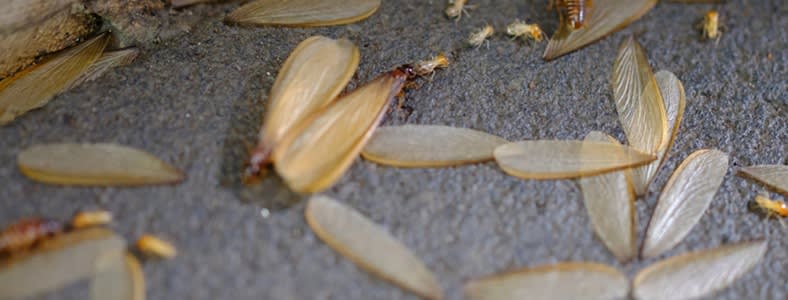
Termites and flying ants have such a similar appearance that you may mistake one for the other without looking closely. In order to treat your pests efficiently, you must first determine which bug is causing your infestation.
When inspecting your home for a termite infestation, you will need a good flashlight, screwdriver or pocket knife, and coveralls.
Termite damage may be located by probing wood with a screwdriver, ice pick, or knife. Inspection should cover the exterior and interior surfaces of the foundation, particularly construction where wood is on or near the soil.
Start inspection in the basement and use a bright flashlight. Look for mud tubes and the activity of swarmers (winged adult termites). A complete termite treatment would mean locating exposed shelter tubes and damaged wood. Often you will have to crawl into the crawl space under your house to properly inspect for termites.
Generally speaking, Subterranean termites are found at or near ground level. However, in warmer areas of the country, they occasionally occur above the first-floor level.
If necessary, get help from a professional pest control expert.
Termite Droppings
Drywood termite droppings, also known as "frass," are expelled through specially generated kick-out holes. You may spot little piles of wood-colored frass in your inspection area. This process of frass disposal keeps the inside of their tunnel system clean and clutter-free, allowing them to move freely and cause even more termite damage.
Where to Inspect for Termites in Your Home
If you think you have a termite infestation, we recommend that you inspect the following areas:
-
All sills, subfloors, joists, support posts, supporting piers, basement window frames, and wood under porches.
-
Any wood construction in the basement and crawl space.
-
Pay close attention to places where concrete: steps, porches, or slabs join the wooden structure.
-
All the hollow blocks, cracks in cement or brick construction, and expansion joints.
-
Any scrap wood on the exterior, old tree stumps, fence posts, and exterior frames of basement windows.
How To Prevent Termites
Treating to prevent termites is typically less error-prone for the average homeowner than treating an active termite infestation. There are professional termiticides and termite bait systems available to assist with the treatment process that will help prevent future infestations.
You can keep termites away for good if you take the proper precautions and continue to maintain your home's exterior. To keep termites at bay, get your home evaluated by a specialist on a regular basis, and follow the tips listed below:
-
Reduce moisture around the foundation
-
Fix Leaks
-
Screen Vents and Holes
1. Reduce moisture around the foundation
Termites like damp soil, so it's important to cut back or eliminate dense vegetation growing against the siding and foundation. Thick shrubs and vegetation can trap moisture as well as make termite inspection difficult.
To keep termites out of your house, make sure gutters and downspouts are in good shape and that they drain water away from the foundation of your home.
2. Fix Leaks
Leaks lead to damp and rotting wood, a perfect place for termites to nest. A critical step in termite treatment is to fix any plumbing or appliance leaks in your home. This will reduce the chance of humidity in crawl spaces and prevent wood in your home from rotting.
3. Screen Vents and Holes
Termite-resistant steel screens should be used to cover holes on the outside of your house, such as vents. This will allow for airflow while keeping pests from having easy access.
Special Considerations for Drywood Termites
If drywood termites are common in your area, they can enter through tiny cracks. Inspect and seal as many cracks and crevices in your structure as you can find. Pay particular attention to trim boards around doors and windows.
Make sure that the exterior paint on your house is not cracked or peeling. Unpainted or unstained wood can be treated with Boracare.
Drywood Termite Treatment Precaution:
Most drywood termite infestations will need assistance from a trained professional, specifically, relating to those living in the Southeast or on the West Coast.
Doing your own termite work, i.e., applying chemicals for termites, is not for everyone. If you do decide to perform termite treatment yourself, be sure to follow our guide above to ensure your home is free from a termite infestation.
Secure Your Home with Our Termite Control Products
After arming yourself with the knowledge to identify and tackle termite infestations, take the next step towards safeguarding your home with our premier collection of termite control products. Our curated selection is designed to meet all your termite eradication needs. From eco-friendly options to the latest innovations in termite control technology, we have everything you need to protect your property effectively. Don't let termites compromise the integrity of your home. Achieve peace of mind with DIY Pest Control.
Shop Termite Control ProductsFAQs About Termite Control
What are the first signs of a termite infestation?
The first signs include visible mud tubes on exterior walls, wood that sounds hollow when tapped, crumbling or damaged wood, and the presence of swarmer termites or discarded wings near windows and doors.
Can termites be eradicated without professional help?
Yes, mild termite infestations can sometimes be managed with DIY methods, such as bait stations, direct chemical treatments, and natural deterrents, but severe cases often require professional pest control services.
What are the most effective natural remedies for termite control?
Natural remedies include applying neem oil, diatomaceous earth, or introducing beneficial nematodes into the soil around your home to target and kill termites without using harsh chemicals.
How often should termite inspections be conducted?
Professional termite inspections should be conducted at least once every one to three years, depending on the area's risk level and previous termite activity. Homeowners should also regularly check their property for signs of termites.
What is the cost of professional termite treatment?
The cost varies widely depending on the infestation's extent, treatment type, and property size, typically ranging from $500 to $2,500 for localized treatments and up to $8,000 for more extensive treatments like fumigation.
How to Get Rid of Termites
How To Treat Termites Yourself, Follow These Treatment Guidelines To Exterminate Them
How do I treat termites?
For the last 30+ years, customers in our stores have asked, "Can I treat termites myself ?"
Active Termite Infestation: For an active infestation, we typically suggest getting a Pest Control Service Company to do the work for Subterranean (Ground) termites. Many factors, particularly the home's construction (slab or basement), affect the treatment method. If you are determined to treat an active termite infestation, call us before you start
1-800-476-3368.
Termite Prevention: Treating to prevent termites is typically less error-prone for the average homeowner than treating an active infestation. There are professional termiticides and termite bait systems available to assist with the treatment process.
Drywood Termite Precaution (coastal southeastern united states, Florida, coastal western united states): Most dry wood termite cases need assistance from a trained professional.
Doing your own termite work, i.e., applying chemicals for termites, is not for everyone.
How to Identify & Inspect for Termite Activity
You will need a good flashlight, screwdriver or pocketknife and coveralls. Look at possible trouble spots closely. Often this means crawling in crawl spaces. The presence of swarmers or their shed wings almost always indicates termite activity. A complete termite inspection would mean locating exposed shelter tubes and damaged wood.
Generally speaking, Subterranean termites are found at or near ground level. However, in warmer areas of the country they occasionally occur above the first floor level.
Termite damage may be located by probing wood with a screwdriver, ice pick or knife. Inspection should be concerned with the exterior and interior surfaces of the foundation, particularly construction where wood is on or near the soil.
Start inspection in the basement and use a bright flashlight. Look for mud tubes and the activity of swarmers.
If necessary, get help from a professional pest control operator.
You should inspect in the following areas as well:
- Any wood construction in basement and crawl space (if present).
- All sills, sub floors, joists, support posts, supporting piers, basement window frames, wood under porches.
- Pay close attention to places where concrete: steps, porches, or slabs join the wooden structure.
- All the hollow blocks, cracks in cement or brick construction and expansion joints.
- Any scrap wood on the exterior, old tree stumps, fence posts and exterior frames of basement windows.
DIY Termite Control Website
Our Do It Yourself Termite Control website is dedicated to helping homeowners decide if they can do their own termite work.
Top DIY Termite Control Pages
- Find a Qualified Termite Treatment Company
- Termite Home Inspections, has a series of pictures showing damage from termites, powder post beetles, and carpenter ants to help you differentiate between the types of damage.
- Can I apply termite chemicals ? gives recommendations and instructions on how to treat for termites.
- Termite FAQ
How To Get Rid of Termites
Termite Baits
Instead of injecting chemicals into the soil, you can also place termite bait directly into the ground around the outside of a structure. The termites will find the bait, feed on it, and die. The technology of baiting systems for termites is continually changing and improving. We currently recommend the Trelona ATBS Termite Bait System.
Baiting colonies of termites is simple and can also be used as a monitoring tool to detect termites when they are not yet a threat to the structure. Termite baits eliminate and control conditions where the structure is untreatable with soil termiticides (near a water body, for example) or if there is a concern about pesticide use, even in structures where soil treatments have failed.
- For more information, please visit Termite Baiting.
- Professional Termite Bait Systems
How To Install Advance Termite Bait Stations
Liquid Termiticides
Barrier termite treatments are designed to prevent termites from entering the structure. These treatments prevent termites that are already inside the structure from getting to the soil to get the moisture needed to survive.
If you choose a liquid termite method, it will give you faster results. You can apply the finished solution close to the termite infestation. If you have an existing termite infestation, applying a liquid termiticide may mean that drilling is required to reach the termites. Drilling through concrete or a slab and pumping the finished solution volume required to set up a termite barrier may be too difficult for a homeowner. On the other hand, if there is crawl space clearance and you can drench around your home, doing your termite work would not be difficult.
The technology of non-repellent insecticides, such as Navigator SC, Termidor SC, and Taurus SC, is an advancement over other termite insecticides that only offer repellent barriers. With "repellant" termiticides, even the smallest gap in the treated soil can be detected and exploited by the termites to gain entry into the building. They will find ways around it. The use of a repellent termite chemical is a major short-coming in the traditional chemicals used for termite control.
Navigator SC and Termidor SC are made up of non-repellent insecticides meaning they are undetectable by termites. The termites can't see, smell, taste, or avoid Navigator SC, Taurus SC and Termidor. Navigator SC and Taurus SC are the generic versions of Termidor SC and are more economical.
- The currently available chemical barrier pesticides are designed to last no more than 5-10 years. Termite Monitors and Baits can be used as a companion for controlling subterranean termites or stand-alone treatment methods.
- Professional Termite Insecticides
Key Takeaway
Termite Baits can be a great preventative tool but should be used together with liquid termiticide application when active termites are present.
Preventing Termites
- Avoid wood to ground contact when possible
- Exterior wood should be at least 6 inches above ground level
- Landscape timbers and mulch can be replaced with non-wood alternatives
- Move firewood, compost piles, and other cellulose material stacked close to the home
Termites like damp soil, reduce moisture around the foundation
Cut back or eliminate dense vegetation growing against the siding and foundation. Thick shrubs and vegetation can trap moisture as well as make termite inspection difficult.
Make sure gutters and downspouts are in good shape and draining water away from your foundation.
Reduce humidity in crawl spaces and fix plumbing and appliance leaks that lead to damp wood
Special Considerations for Drywood Termites
If drywood termites are common in your area, they can enter through tiny cracks. Inspect and seal as many cracks and crevices in your structure that you can find. Pay particular attention to trim boards around doors and windows.
Make sure that the exterior paint on your house is not cracked or peeling. Unpainted or unstained wood can be treated with Boracare.
Written by our resident pest control expert Ken Martin.