



How to Get Rid of Ants
March 8, 2024

Ant Identification
Ant Anatomy & Segments
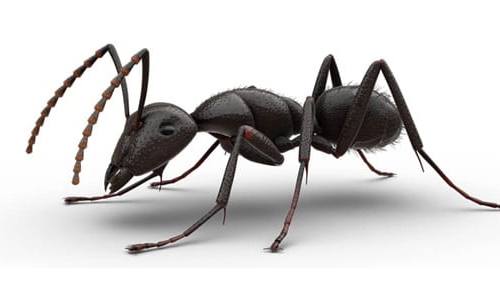
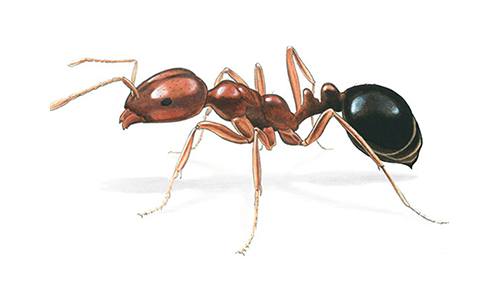
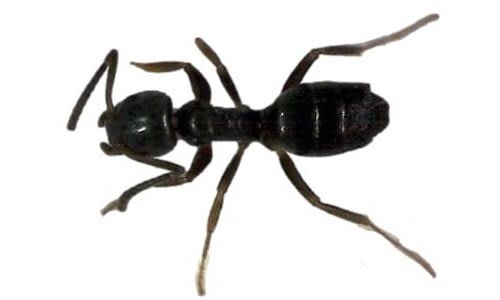
The first step in getting rid of ants is to understand more about these insects. Ants have distinctly elbowed antennae with segments. The segments of the abdomen are attached to the thorax.
The ants have a thin-wasted appearance called the abdominal pedicel. The pedicel may have one or two sections. These sections are enlarged and vary in shape from a flattened plate-like shape to a slight hump. Using a microscope, you can identify the shape type of the pedicel. This pedicel is called a node. Termites also have segments, so it’s important to spot the difference between ants and termites.
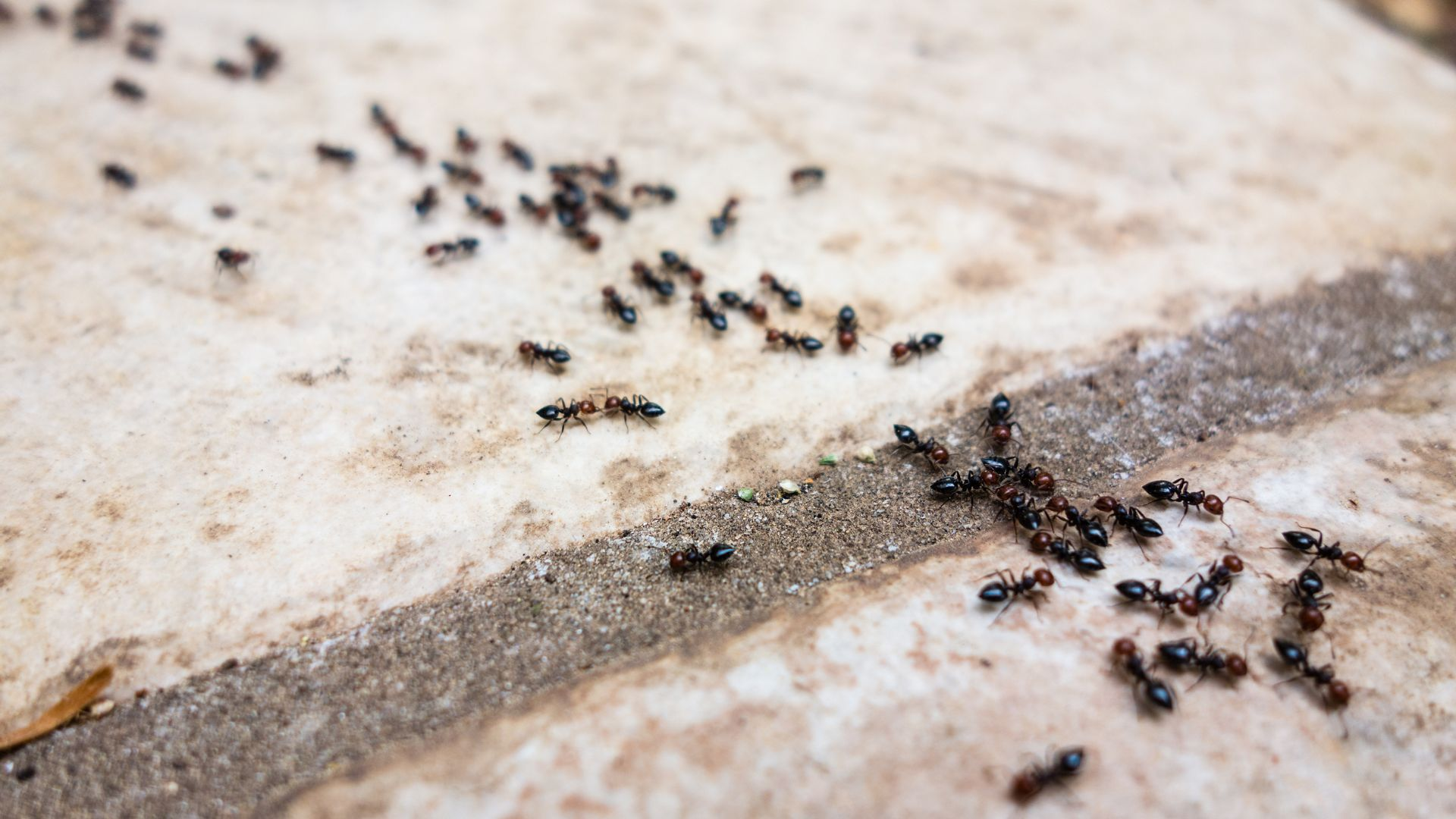
If you want to know how to kill ants, inspecting where the ants are coming from is an important first step.
To find ant nests, follow their trails. Ants lay down a chemical pheromone trail along their established routes to attract ants from nearby regions. This trail goes to and from a food source so other ants can easily find the food.
It's crucial that you thoroughly clear away these trails with a glass cleaning spray or dish soap to prevent them from returning along the same path.
Most Common Ant Species
The most common ant species in the United States are Argentine Ants, Carpenter Ants, Crazy Ants, Fire Ants, Ghost Ants, Leafcutter Ants, Odorous House Ants, Pavement Ants, and Pharaoh Ants.
You may encounter other ants, and if you are uncertain of how to deal with them, our experts can assist you over the phone.
A Word on Fire Ants
Fire ants leave a nasty stinging bite that can be painful and also become swollen. These pose additional risks to small children and pets.
Some individuals are highly allergic to fire ant bites and may go into anaphylactic shock if not treated immediately. This is all the more reason to eliminate fire ants and other pests like them that pose a potentially serious health risk.
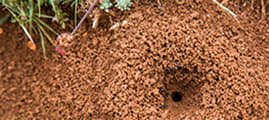
The Habits of Ants
Contrary to problems they cause in and around the home, common ants are generally considered beneficial insects in the garden because they aerate the soil.
As social insects, ants live in colonies. These colonies range in size from dozens to millions in numbers. One or more fertile queens, soldiers, wingless female castes of workers, male drones, and other specialized groups are included in most colonies.
As an insect, ants are very successful in their survival. There are more than 20,000 ant species, and they are found almost everywhere except some remote islands and Antarctica.
Ants are also known to be one of the most intelligent insects and have been observed using teamwork to solve complex problems. Each ant species has different behavior patterns. Understanding these patterns will help you achieve the best ant removal outcome.
When in doubt about which type of ant problem you have, give us a call.
Ant Inspection
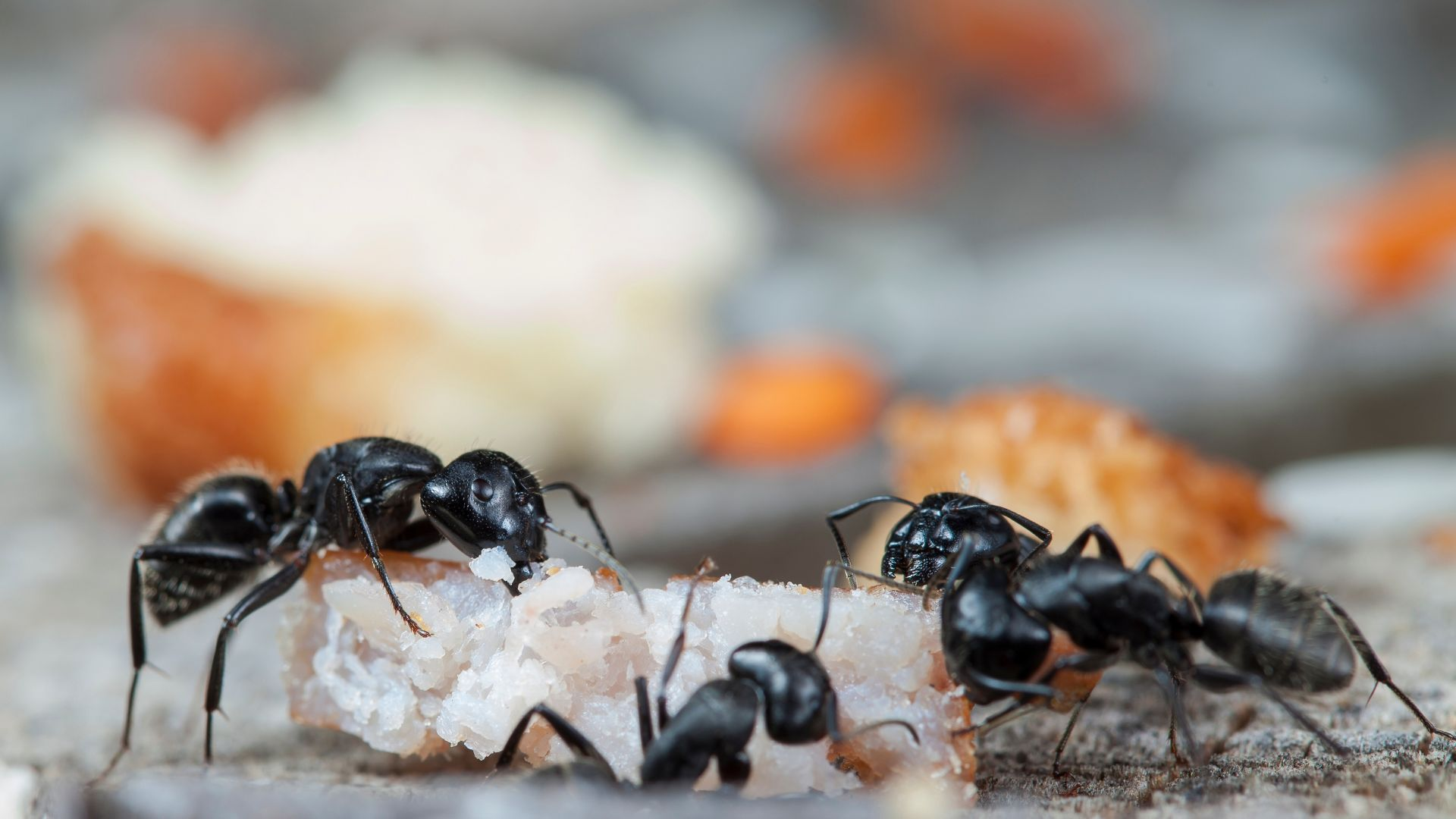
Inside the Home
Inside a house, inspect the carpet edges, doors, windows, and all areas of the kitchen.
If you see even one ant in your house, follow its trail to its nest. The easiest way to do this is to watch where the ant goes after reaching the food source.
If you are targeting Carpenter ants, inspection at night is more effective since the larger carpenter ants are nocturnal. You can spot carpenter ants emerging from damaged wood inside the house or foraging outside in woodpiles, rotted or water-damaged wood, and tree stumps.
Common ants are attracted to sweet substances particularly, with food sources like maple syrup being one of their favorites.
Outdoor Inspection
Outside the house, inspect around foundation walls, areas of vegetation, and mulch. Ants live in these areas, so any vegetation found near patios and walls may hide some ant nests or their trails.
Check under any item that is on the ground. Some ant nests are well hidden, so be sure to inspect these areas properly if you want to discover how to get rid of ants outside.
Ant Infestation Inspection Tips
-
Your ant control strategy should depend on the type of ant species that is causing your ant infestation.
-
Identifying which type of ant you have is helpful but may be difficult without a magnifying glass. Therefore, it is beneficial to use a magnifying glass to inspect ant trails and nests.
-
It is key to understand the ant colonies and behavior you are dealing with so that you can correctly identify them. With correct identification, you will figure out how to kill ants and prevent further ant infestations.
-
If you are unsure of the type of ant species that you have, send us a picture or call us.
-
How to Inspect Ants, How to tell the difference between flying ants and termites
This guide will describe this in further detail.
-
This chart provides a quick glance at all the major ants in the USA.
-
Inspect for ants at various times of the day. Some ants will be more active in the early morning. Others may be active at night.
How to Get Rid of Ants
Ants are social insects that live in colonies. Ant control treatment plans should include killing the entire colony.
Just spraying an ant with a typical ant exterminator spray, particularly a repellent spray, will only kill a few at best and scatter the colony.
The best ant killer to use for ant colonies is a non-repellent spray like Taurus SC or Navigator SC that will not deter ants or scatter them.
You do not want to repel ants, as they will just return to or rebuild their colony elsewhere in or on your property.
Ants Inside Your Home
The food inside your home attracts ants, meaning some ant species establish colonies inside. Because of the potential for many food sources, this makes the kitchen a hotspot for an ant infestation.
If you want to get rid of ants in the kitchen, it’s a good idea to keep your surfaces clean, wash dishes regularly, keep your food tightly sealed, and avoid leaving sweet food or pet food out on countertops.
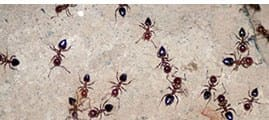
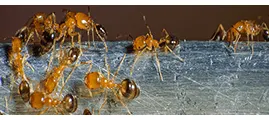
Outdoor Ants
Ant species that live outside will travel inside your home to search for a food source.
They will usually be nesting near the house and maybe in a visible nest or ant hill or mound. Some nests may be under mulch, leaves, decorative stones, flower pots, or landscape timbers.
Granular ant bait can be very useful for treating these nests.
Find their entry points and spray a non-repellent residual insecticide such as Taurus SC or FUSE Insecticide around the perimeter to kill the ants. This is the best ant killer for treating an ant infestation outside in hard-to-reach areas.
Key Takeaways
- Follow the trail to find the nest.
- Treat the nest directly if possible or use ant bait or non-repellent insecticide around the perimeter of the house and on the ant trails.
How to Kill Ants
Ant Bait
Ant bait is an effective method to treat an ant infestation because it kills the entire colony. Ant baits are compact pods that contain poison.
When ants enter these concealed pods, they access the poison and travel back to their colony with it. Once inside the ant colony, the ants will feed off of it and eventually die.
Choosing the Right Ant Bait Products
First, identify what type of ant species you are dealing with and buy a toxic ant bait product that is specific to their taste.
Ants that have an affinity for sweet tastes are best treated with liquid bait. Other ant species will prefer solid bait or grease-based bait.
Whatever you choose, ensure that you place the ant bait anywhere that you see ants moving back and forth. Once set, expect to see a large swarm of ants gather around the ant bait.
The more ants you see, the more poison is being carried back to their colony, and the more ants are killed. If you still see ants in your house after two weeks, try replacing the ant bait containers.
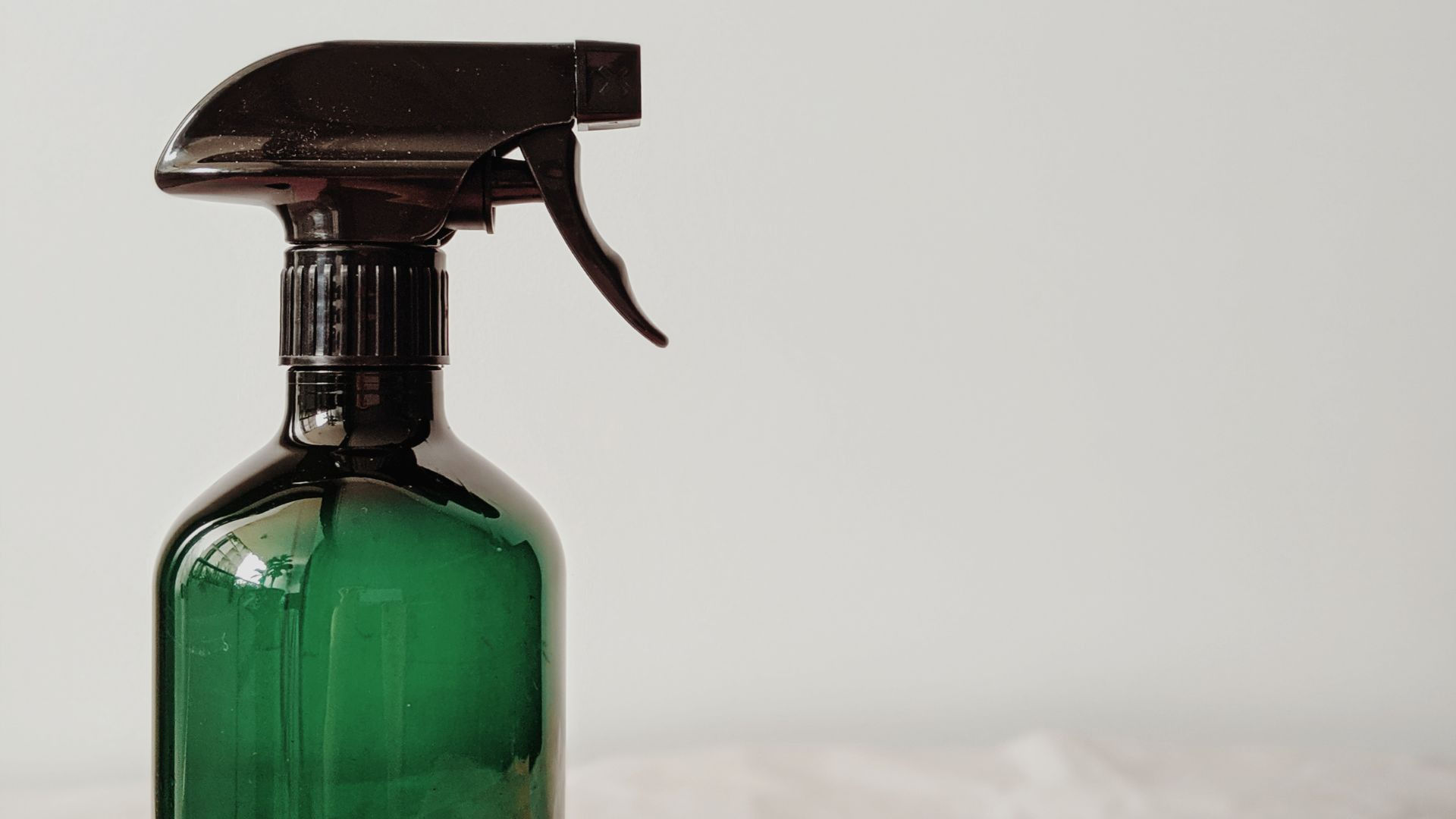
DIY Natural Ant Killers
Here are some of the most effective non-toxic, natural solutions for DIY ant control:
1. Boric Acid
Try mixing ½ teaspoon of boric acid with eight teaspoons of sugar and 1 cup of water in a bowl. Soak cotton pads or cotton balls in the mixture and apply a thin layer over any entry points in your home. Boric acid is a natural alternative to using ant bait.
Boric acid is a fantastic DIY ant killer that will get rid of worker ants and the colony’s queen within three weeks.
If you have children or pets, please be careful using boric acid as it can be dangerous. Only apply to areas where all the ants congregate or along their scent trails.
2. White Vinegar
White vinegar is a great way of getting rid of ants naturally. Simply combine 1 part white vinegar with 1 part water and pour over any areas where you have noticed ant trails.
The white vinegar smell will linger even after it dries, and it does a great job at repelling ants.
This is a great DIY ant killer if you are looking for a long-term solution in-house.
3. Water & Spray
Another method to eliminate ants naturally is making a solution with products you have at home with water. You can use the same white vinegar mixture as mentioned above and spray this onto any areas of ant infestation.
Alternatively, you can mix a few drops of essential oils, such as neem oil, tea tree oil, or cayenne pepper, in water and spray directly onto window ledges, countertops, doorways, and any other places you see trails coming from.
Repeat this method once a day to rid your space of ants.
While tea tree oil, neem oil, peppermint oil, and cayenne pepper may work in certain cases, we've found our customers have more effective results with professional ant traps and ant poison.
4. Diatomaceous Earth
Diatomaceous earth is another natural ant killer. It consists of a fine white powder made of natural substances, such as fossils of algae (called diatom) and tiny crustaceans.
It's a naturally non-toxic powder that can be sprinkled around any area or entrance where you have noticed ants or signs of an ant's scent trail.
Diatomaceous earth also works well around perimeters such as baseboards and window sills where these insects may be coming from an ant nest.
Can I Get Rid of Ants Permanently?
Unfortunately, it is difficult to permanently get rid of ants. You will continue to battle them as they come back from surrounding properties.
But the good news is that you can start early in spring and bait your whole yard with Maxforce Complete Granular, Invict Xpress, or Extinguish Plus Fire Ant Bait.
Because ants gather the ant bait and take it back to their colonies, this practice will exterminate many ants that may have been missed. Don't use ant bait when the temperatures are below 50 degrees.
While it may not be possible to get rid of ants permanently, there are steps you can take to prevent ants from infesting your home!
How to Prevent Ants from Entering Your Home
Caulk and seal cracks and crevices to eliminate entry points into the home. Keep in mind that you may not be able to seal all the entry points, as ants are incredibly industrious.
It is also a good idea to clean around any entry points with a detergent to remove the pheromone chemical trail.
You can also get rid of ants naturally by sprinkling cayenne pepper or cinnamon in the garden or any areas of ant infestation outside. Other natural repellents include essential oils like peppermint oil. Both of these can also deter ants.
Although this will not get rid of ants permanently, it does a great job of repelling ants and treating high-traffic areas outside.
Some homeowners will attempt to pour boiling water down an ant hill, but this will only be partially effective. It is unlikely the boiling water will reach every tunnel throughout the ant colony, as these pathways can be extensive and reach deep into the soil.
Tips for Preventing Further Infestations
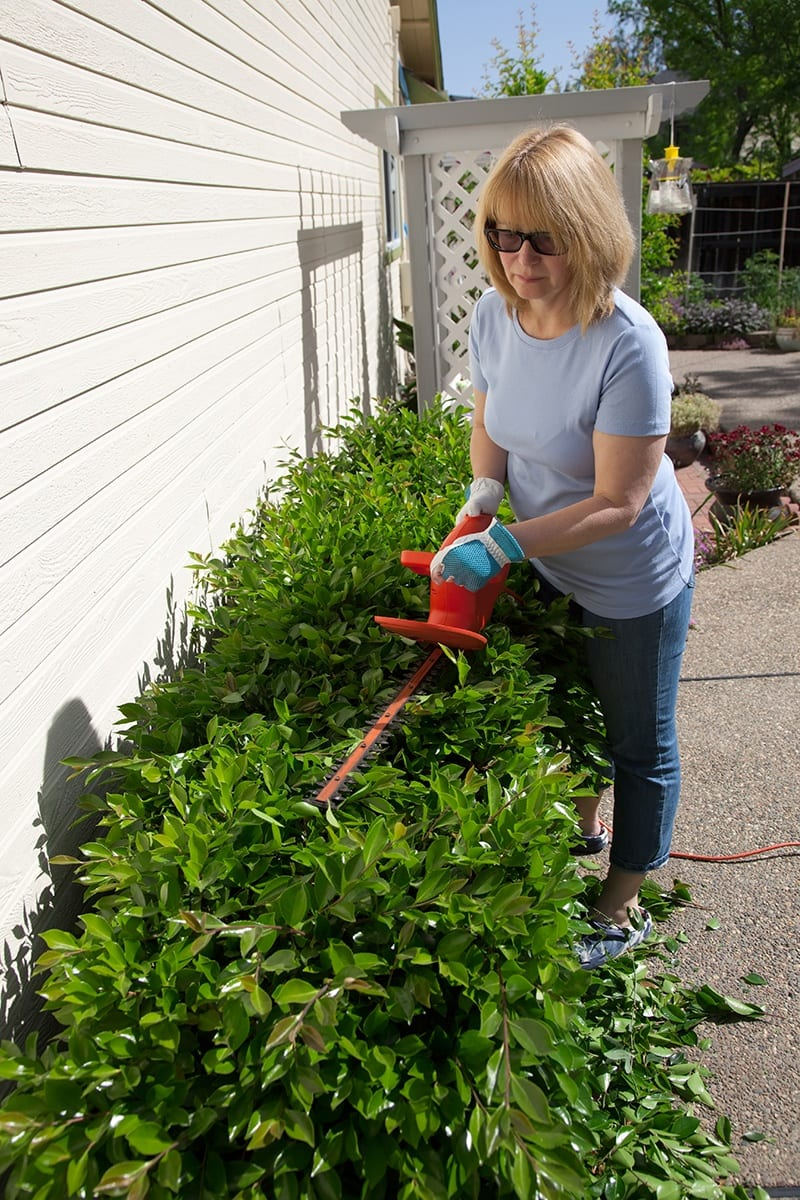
- Trim all trees and bushes, so branches do not touch the house.
- Correct moisture problems such as leaky roofs and plumbing.
- Paint and/or seal exposed wood construction before it becomes wet.
- Replace rotted, water-damaged, and previously ant-infested wooden parts of the structure. These types of wood attract ants.
- Eliminate wood/soil contacts.
- Remove dead stumps on the property and store firewood off the ground and away from the structure.
- Store all food ants may search for in airtight containers.
- Sweep all food crumbs and scraps into well-sealed trash cans.
- Remove ants that you have sprayed, as well as dead ants, so the area is kept clean and sanitary.
Still Experiencing an Ant Problem?
If you are still experiencing ant infestations, then it’s time to call an ant exterminator or other professional pest control services.
An ant exterminator will provide their professional expertise and survey the area, determine the extent of the ant infestation, and choose the best ant killer for your situation.
Do-It-Yourself Pest Control Can Help With Your Ant Problem
If you need assistance and tips on how to solve your ant problem, our pest control experts are here to help!
If you want something that kills ants quickly or you just want to learn more about what attracts ants, we've got you covered with our experienced professionals. We also make expert recommendations for ant killer products.
We encourage you to contact us about any ant problems you may be experiencing, and we can often help you identify the type of ant you are dealing with if you send us a picture.
How To Get Rid Of Ants
Follow these guidelines to learn how to get rid of ants inside and outside your home.

DIY Pest Control has helped countless customers eliminate ants from their homes and properties. Ants are persistent and often aggravating to control but rest assured that you can beat them with the guidance we’ve provided below. Also, you can call us at 1-800-476-3368 to speak with one of our pest control experts, or use the live chat feature on our website. Either way, we’re here to help you do this!
Before you start treating, you need to know at least one of these questions
- Where do the ants live?
- Where are the ants traveling?
- Where are the ants entering the home?
- The steps below will help you answer these questions.
How Do I Get Rid of Ants?
Ants are a social insect that lives in colonies. Ant control treatment plans should include killing the entire colony. Just spraying an ant with a typical ant spray, particularly a repellent spray, will only kill a few at best and scatter the colony. Using a non-repellent spray like Taurus SC would not scatter them.
Can I Get Rid Of Ants Permanently?
No, you can't get rid of them permanently. You will continue to battle them as they come back from surrounding properties. But the good news is that you can start early in spring baiting your whole yard with Maxforce Complete Granular, Invict Xpress, or Extinguish Plus Fire Ant Bait. Because ants gather these baits and take them back to their colonies, this practice will exterminate many ants that may have been missed. Don't use ant bait when the temperatures are below 50 degrees.
1. First Step - Ant Identification and Inspection
Ant Segments
Ants have distinctly elbowed antennae, with segments. The segments of the abdomen are attached to the thorax. The ants have a thin-wasted appearance called the abdominal pedicel. The pedicel may have one or two sections. These sections are enlarged and vary in shape from a flattened plate-like shape to a slight hump.
Using a microscope, you can identify the shape type of the pedicel. This pedicel is called a node.
Termites also have segments. Identify the difference between ants and termites
To get your ant problem under control, inspection is an important first step.
To find ant nests, follow their trails. Ants lay down a chemical pheromone trail along their established routes to and from a food source so other ants can easily find the food.
Inspection Inside
Inside a house, inspect along the carpet edges, doors, windows, and all areas of the kitchen. The easiest way to find a trail to the nest is to watch where ants go after reaching the food source. If you are targeting Carpenter ants, inspection at night is more effective since the larger Carpenter ant is nocturnal. You can spot Carpenter ants emerging from damaged wood inside the house, or foraging outside in woodpiles, rotted or water-damaged wood, and tree stumps.
Inspection Outside
Outside the house, inspect around foundation walls, areas of vegetation, and mulch. Any vegetation found near patios and walls may hide some Ant nests or their trails. Check under any item that is on the ground. Some ant nests are well hidden.
- Follow the trail to find the nest.
- Inspect at various times of the day. Some ants will be more active in the early morning. Others may be active at night.
- Your ant control strategy should depend on the type of ant is causing your ant infestation. Identifying which type of ant you have is helpful, but maybe difficult without a magnifying glass. Therefore, it is beneficial to use a magnifying glass to inspect ant trails and nests.
- Identification is key in understanding ant colonies and behavior may help with your ant control.
- When in doubt of the type of ant that you have, send us a picture or call us.
- Identify/Inspect: Ants will describe this in further detail.
- Ant Identification Chart provides a quick glance of all the major ants in the USA.
Most Common Ants
The most common ants in the United States are Argentine Ants, Carpenter Ants, Crazy Ants, Fire Ants, Ghost Ants, Leafcutter Ants, Odorous House Ants, Pavement Ants, and Pharoah Ants.
Understanding their behavior patterns of the various types of ants will help you achieve the best ant control. When in doubt of which type of ant you have, give us a call.
- Follow the trail to find the nest.
- Treat the nest directly if possible or use bait or non-repellent insecticide around the perimeter of the house and on the ant trails.
2. Ant Control Tips and Strategies
There are two main types of ant problems that are commonly encountered when ants show up inside.
- Ants that live outside and come inside for food or water. You’ll usually be able to find a trail of ants coming and going on the outside when this is the case
- Ants that already have a nest built inside. They’ll still go out to gather most of their food but opportunistically get food inside when the weather is bad or food is scarce.
Ant Control Inside and Outside/ Ant Colonies & Behaviors
Some ants don't just enter your home foraging for food. Some ants will establish a colony inside.
Refer to Get Rid Of Ants Inside for more in-depth information.
Ants that live outside will travel inside your home to search for food.
They will usually be nesting near the house and may be in a visible nest or mound. But some nests may be under mulch, leaves, decorative stones, flower pots, or landscape timbers. Granular ant baits can be very useful for treating these nests.
If you find their entry point, spray a non-repellent residual insecticide such as Taurus SC or FUSE Insecticide around the perimeter and entry points.
Refer to Ant Control Outside for more in-depth information.
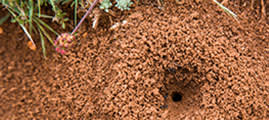
As social insects, ants live in colonies. These colonies range in size from dozens to millions of numbers. One or more fertile queens, soldiers, wingless female castes of workers, male drones, and other specialized groups are included in most colonies. As an insect, ants are very successful in their survival. There are more than 20,000 ant species, and they are found almost everywhere except some remote islands and Antarctica.
Refer to Ant Colonies & Behavior for more in-depth information.Popular Ant Control Products
Key Takeaway
Use baits and/or non-repellent sprays to avoid scattering ants.
3. Special Considerations for Carpenter Ants
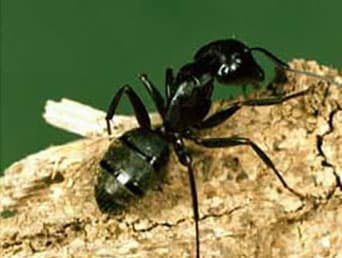
Carpenter Ants are most active in the evening hours when foraging for food, both inside the house and outside. Carpenter ants do not eat the wood for food, but they will tunnel into the wood to make nests. By observing ants at night, you may be able to tell where to spray or bait. Treating the nest itself is the last resort for Carpenter ant control. Unless the entire nest is effectively treated, the colony may simply scatter. Use a non-repellent insecticide to minimize this risk.
Carpenter Ants ant Treatments
Carpenter Ants are most active in the evening hours when foraging for food, both inside the house and outside. Carpenter ants do not eat the wood for food, but they will tunnel into the wood to make nests. By observing ants at night, you may be able to tell where to spray or bait. Treating the nest itself is the last resort for Carpenter ant control. Unless the entire nest is effectively treated, the colony may simply scatter. Use a non-repellent insecticide to minimize this risk.
The best way to treat Carpenter Ants inside the house: Place recommended Carpenter Ant Baits on the ant trails. Use a non-repellent insecticide aerosol such as Spectre PS Aerosol, Alpine Aerosol, or Phantom Aerosol. Non-repellent aerosols are superior to repellent aerosols because the Ants do not detect them and can't avoid them. A typical Ant spray will kill only a few Ants and scatter the rest.
Read More4. How To Prevent Ants

Steps To Prevent Ants From Entering Your Home
- 1. Caulk and seal cracks and crevices to eliminate passages into the home. You may not be able to seal all the entry points as ants are incredibly industrious in finding entry points.
- 2. Clean around entry points with a detergent to remove the pheromone chemical trail.
To Prevent Further Carpenter Ant infestations
- Trim all trees and bushes so branches do not touch the house.
- Correct moisture problems such as leaky roofs and plumbing.
- Paint and/or seal exposed wood construction before it becomes wet.
- Replace rotted, water-damaged, and previously Ant-infested wooden parts of the structure.
- Eliminate wood/soil contacts.
- Remove dead stumps on the property and store firewood off the ground and away from the structure.
Written by our resident pest control expert Ken Martin.