




How to Get Rid of Flies
March 5, 2024
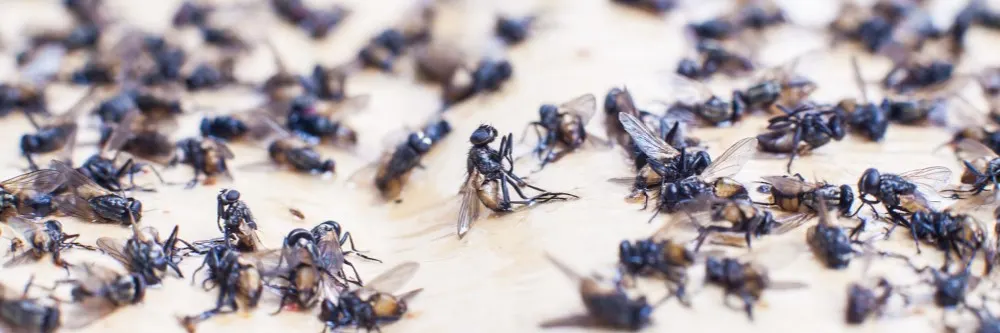
Flies have been a nuisance insect for thousands of years. They affect human welfare because they can transmit diseases. Flies such as the common housefly are classified as filth flies because they breed in rotten food, manure, and garbage.
A fly can mature from egg to adult in as few as ten days. This quick maturity can cause a severe fly problem in a short time. Proper sanitation and exclusion will get rid of flies in the long run.
This article will teach you how to identify fly species and how to get rid of fly infestations in your home.
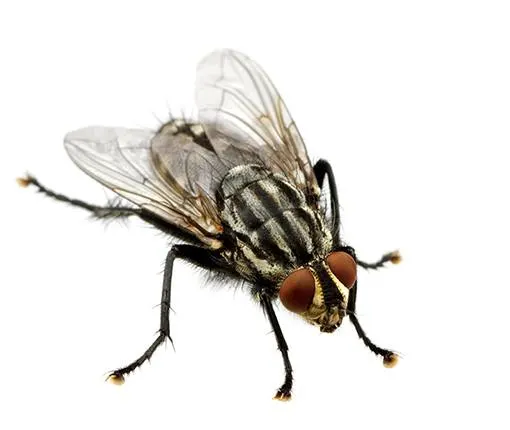
Get Rid Of Flies
An effective fly control program begins with sanitation and exclusion management. After sanitation and exclusion, we carry a wide assortment of insecticides in residual forms, aerosols, fogging materials, and baiting forms.
Fly Control Management
These options include liquid concentrates, insecticide dust, pyrethrin aerosols, fly light traps, fogging materials, fly baits, and outside fly traps.
In home kitchens, restaurants, and commercial kitchens, drain flies can become a problem. An excellent product to treat home drains and restaurant drains is Invade Bio Treatment Gel. With microbes, this all-natural product eats the leftover scum in the drains.
Fly Lights with distinctive UV spectrums are also well known for attracting flies and trapping them. Fly lights are most popular in commercial establishments because they work well. We also carry fly glue traps.
Click on the various links below (Filth Flies, Small Flies, and Nuisance/Biting Flies) for more fly control information.
Natural Remedies to Get Rid of Flies
For outdoor fly infestations, fly traps can be extremely effective. Most fly traps contain a liquid or powder manufactured from putrescent – or rotten – eggs, which has a foul odor that is repulsive to humans but delicious to flies. For an indoor fly infestation, essential oils and other natural fly repellents work in smaller spaces.
Fly traps may catch and trap thousands of flies at once, and they should be replaced as they become full. Consider deploying many fly traps at once throughout the perimeter of your property if you have a serious infestation. They're best used far away from your house so you don't mistakenly attract flies to your property.
Here are the 5 most effective natural remedies to get rid of flies:
1. Make a Rotten Food Trap to Kill Flies
Instead of throwing out rotten food, you can put it into a container and cover it with plastic wrap. Puncture a few holes in the wrap, big enough for the flies to crawl in, and set the container in a densely populated area. The flies should swarm inside and become trapped; once dead, discard the container and repeat until all of the flies have died.
2. Try the Apple Cider Vinegar and Dish Soap Trap to Attract Flies
A famous home recipe to get rid of flies is the Vinegar Trap. Fill a disposable container with water, sugar, dish soap, and a few tablespoons of apple cider vinegar.
Stir the sugar water solution together, then place it near a fly-infested area. The flies will be attracted to the solution and drown as soon as they touch the water. Repeat this process until all the flies are gone.
3. Trap Flies with Red Wine
If you have old, half-drunk bottles of red wine, do not pour it out. You can use it to get rid of flies! Pour the wine into a container, add dish soap, and cover with a plastic wrap.
Poke holes in the top of the wrap so that the flies can enter. Flies are attracted to the smell of red wine and will enter your trap in search of a drink. The dish soap will drown the flies and make it hard for them to escape.
4. Try to Get Rid of Flies with Essential Oils
If you want to try a different method of repelling flies, you can try essential oils in problem areas. Strong, pungent fragrances like clove, pine, lemongrass, eucalyptus oil, lavender, mint, rosemary oil, peppermint oil, tea tree oil, and citronella are particularly repulsive to flies and act as natural fly repellents.
A combination of lemon eucalyptus essential oil has been particularly effective for some people, as its pungent scent acts as a natural fly repellent. To keep flies away from the perimeter of your property, apply a few drops of these oils to strips of cloth to produce DIY fly paper, or use a spray bottle to apply the essential oil mixture to your deck and patio.
5. Make Use of Fans or Candles
Are you wondering how to get rid of flies outside of your home? A fan can do wonders in a small environment like this. Flies, who prefer to fly in calm air, are confused by the continually moving air. Citronella candles also work as natural fly deterrents. While typically used to repel mosquitoes, they can also efficiently repel flies in many cases, especially in compact settings.
Identify the Type of Flies in Your Home
Filth Flies
Filth flies, such as house flies, can be nuisance pests but may be potentially harmful to humans and animals. The habits of filth flies favor the spread of bacteria and other disease-causing organisms. Filth flies not only feed and lay eggs on garbage, manure, and carrion.
They may contaminate human foods and food prep areas when landing on these areas. House flies, for example, can spread diseases such as food poisoning and dysentery.
TYPES OF FILTH FLIES


Small Flies
Many small flies(1/4") are found in food prep areas and may carry disease-causing organisms.
The six fly species listed below are the most common small flies.
Types of Small Flies

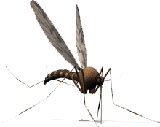


Nuisance and Biting Flies
Many commonly found flies found around the home are a nuisance and/or bite. As with many flies, these flies breed on decaying organic matter and animal wastes.
They may transmit bacteria and viruses to humans. Flies such as stable flies or horse flies (sometimes called "biting flies") feed on mammalian blood and give a painful bite.
Types of Nuisance and Biting Flies


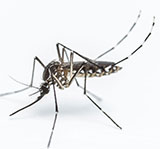
Identification of the type of fly you are dealing with is a crucial step to getting rid of flies.
How To Prevent Flies from Entering Your Home
As in most cases with pests, the best way to prevent flies is to make sure that your home's common areas are kept clean. Particularly, you'll want to keep the kitchen free of opened food by keeping it in storage containers the flies can't enter.
Sanitation is Key to Preventing Flies
Sanitation is critical in a good fly management program. The goal of sanitation is to remove or prevent any medium where fly larvae will develop. It's also vital to remove things that adult flies are attracted to, such as garbage and animal waste. Moisture is a critical factor in any fly breeding material. Good drainage is also necessary, where possible. If the flies do not have an adequate source of water, they will die or move to a different area.
Decomposing Organic Waste Attracts Flies
Nothing attracts flies more than decomposing organic waste. They will be drawn to anything plant or animal-based, such as compost, rotting vegetables, or animal feces, and will lay thousands of eggs on it. When the eggs hatch, maggots emerge, and mature flies emerge soon after. Getting rid of any source like this is crucial to keeping your property fly-free.
-
Garbage cans should be cleaned out with a bleach solution on a regular basis, and compost bins should be kept out of sight and covered wherever feasible.
-
Invade Bio Foam is an all-natural product, a probiotic used to spray on the leftover organic debris in dumpsters. Soldier Fly larvae are commonly found around dumpsters and garbage cans. Keep tight lids on the garbage cans. Flies are attracted to odors. Keep garbage cans as far away from doors as possible to keep them from moving into the structure.
-
Repair window screens and doors. Use mesh screens on openings in the building. Where doors must be kept open for customers, trucks, etc., outfit the doors with air curtains. Air curtains can prevent fly entry if the velocity is 1,600 feet per minute or higher.
-
Pick up pet waste in the yard as soon as possible. Flies love to breed and lay eggs on this material because of the moisture content.
-
Wipe down any surfaces that come into contact with food.
-
Dead rodents and birds can increase your fly problem. Remove any dead bodies because flies lay eggs on decomposing rodents and fowl. The eggs become maggots (larvae), and the maggots become adult flies.
-
Do not overwater indoor potted plants. The soaked soil will provide a perfect breeding area for gnats. Keep the pots well-drained.
-
Keeping flies away may be as simple as keeping outdoor areas clean. Clean away any soiled flower bedding, decaying plant, straw, or animal matter.
Browse Our Fly Control Products
Ready to take action against pesky flies? Explore our curated collection of fly control products designed for both indoor and outdoor use. Whether you're dealing with house flies, fruit flies, or any other type, our range offers everything from eco-friendly solutions to advanced traps and repellents. Each product is selected for its effectiveness and safety, ensuring you can tackle your fly problem without compromise. Don't let flies take over your space any longer. Shop DIY Pest Control and start enjoying a fly-free environment today.
Shop Fly Control ProductsFAQs About Fly Control
What Attracts Flies to My Home or Garden?
Flies are attracted to food waste, pet waste, overripe fruits, and standing water. Reducing these attractants by keeping areas clean, disposing of garbage promptly, and eliminating standing water can help prevent fly infestations.
Are There Any Natural Remedies to Get Rid of Flies?
Yes, natural remedies include using essential oils like lavender or eucalyptus in sprays, setting up vinegar or wine traps, and planting fly-repelling plants such as basil and lavender around your home.
How Can I Prevent Flies from Entering My House?
Prevent flies from entering by sealing cracks and openings, installing fine mesh window screens, managing waste properly, and keeping doors closed as much as possible to block entry points.
How Do I Get Rid of Flies in My Kitchen/Food Areas Safely?
To safely eliminate flies in kitchen or food areas, use non-toxic traps like sticky traps or UV light traps, keep the area clean, store food in airtight containers, and regularly dispose of garbage.
Can Flies Transmit Diseases?
Flies can transmit diseases like food poisoning and dysentery by contaminating food and surfaces. Protect your family by maintaining cleanliness, using fly control measures, and keeping food covered.
How To Get Rid Of Fly Problems
Learn how to control and get rid of flies at home.

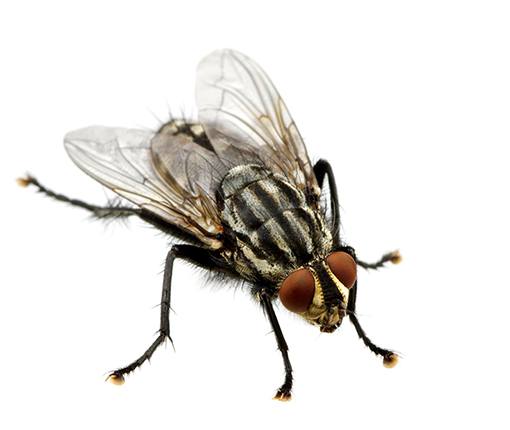
Flies have been a nuisance insect for thousands of years. They affect human welfare because they can transmit diseases. Flies such as the common housefly are classified as filth flies because they breed in rotten food, manure, and garbage. A fly can mature from egg to adult in as few as ten days. This quick maturity can cause a severe fly problem in a short time. Proper sanitation and exclusion get rid of flies for long term results.
Use insecticides to kill an existing fly population. The insecticides come in residual forms, aerosols, fogging materials, and baits. Fly Lights with distinctive UV spectrums are also well known for attracting flies and trapping them. Fly lights are most popular in commercial establishments because they work well. We also carry fly glue traps.
An effective fly control program begins with sanitation and exclusion management. After sanitation and exclusion, we carry a wide assortment of insecticides in residual forms, aerosols, fogging materials, and baiting forms. Fly Lights with distinctive UV spectrums attract flies and traps them. These are popular in commercial establishments. We also carry fly glue traps.
General House Fly Control Management
Fly control management
These options include liquid concentrates, insecticide dust, pyrethrin aerosols, fly light traps, fogging materials, fly baits, and outside fly traps.
- Click on the various links below (Filth Flies, Small Flies, and Nuisance/Biting Flies) for more fly control information.
Sanitation-Important First Step
Sanitation is critical in a good fly management program. The goal of sanitation is to remove or prevent any medium where fly larvae will develop. It's also vital to remove attractive things to adult flies, such as garbage and animal waste. Moisture is a critical factor in any fly breeding material. Good drainage is also necessary, where possible.
- Keep garbage cans and dumpsters clean. Invade Bio Foam is an all-natural product, a probiotic used to spray on the leftover organic debris in dumpsters. Soldier Fly larvae are commonly found around dumpsters and garbage cans. Keep tight lids on the garbage cans. Flies are attracted to odors. Keep garbage cans as far away from doors as possible to keep them from moving into the structure.
- Repair window screens and doors. Use mesh screens on openings in the building. Where doors must be kept open for customers, trucks, etc., outfit the doors with air curtains. Air curtains can prevent fly entry if the velocity is 1,600 feet per minute or higher.
- Pick up pet waste in the yard. Flies love to breed and lay eggs on this material because of the moisture content.
- In-home kitchens, restaurants, and commercial kitchens, drain flies can become a problem. An excellent product to treat home drains and restaurant drains is Invade Bio Treatment Gel. With microbes, this all-natural product eats the leftover scum in the drains.
- Dead rodents and birds can increase a fly problem. Remove any dead bodies because flies lay eggs on decomposing rodents and fowl. The eggs become maggots (larvae), and the maggots become adult flies.
- Do not overwater indoor potted plants. The soaked soil will provide a perfect breeding area for gnats. Keep the pots well-drained.
- Keep outdoor areas clean. Clean away any soiled bedding, decaying plant, straw animal matter.
Filth Flies-House Fly, Blow Fly and Bottle Fly, Soldier Fly, Flesh Fly
Filth flies, such as the house fly, can be nuisance pests but may be potentially harmful to humans and animals. The habits of filth flies favor the spread of bacteria and other disease-causing organisms. Filth flies not only feed and lay eggs on garbage, manure, and carrion. They may contaminate human foods and food prep areas when landing on these areas. House flies, for example, can spread diseases such as food poisoning and dysentery.
Small Flies-Fruit Fly, Phorid Fly, Moth Fly, Sphaerocerid Fly, Fungus Gnats and Cheese Skippers
Many small flies(1/4") are found in food prep areas and may
carry disease-causing organisms.
The six fly species listed below are the most common of small flies.
Nuisance and Biting Flies-Cluster Fly, Face Fly, Stable Fly and Mosquitoes
Many commonly found flies found around the home are a nuisance and or bite. As with many flies, these flies breed on decaying organic matter and animal wastes. They may transmit bacteria and viruses to humans. Flies such as stable flies or horse flies (sometimes called " biting flies ") feed on mammalian blood and give a painful bite.
Key Takeaway
Sanitation and identification of the type of fly you are battling are crucial steps to eliminating them.